As seniors age, many families want their loved ones to receive professional care without leaving the comfort of home. This leads to one of the most common questions families ask:
What does home health care include for seniors?
Understanding the full scope of home health care services helps families make informed decisions, avoid unnecessary hospital stays, and ensure seniors receive the right level of care at the right time.
This guide provides a clear, complete breakdown of what home health care includes, how services are structured, and when professional care becomes essential.
What Is Home Health Care for Seniors?
Home health care is professional medical and supportive care provided in a senior’s home under the supervision of licensed healthcare professionals.
Unlike general home care, home health care services are typically:
- Medically guided
- Physician-ordered (when required)
- Delivered by licensed or certified healthcare staff
Home health care allows seniors to remain independent while still receiving safe, structured, and clinically appropriate care.
Medical Services Included in Home Health Care
Medical care is the core component that distinguishes home health care from non-medical support.
Skilled Nursing
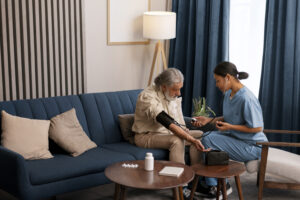
Skilled nursing services are provided by licensed nurses (LPNs or RNs) and may include:
- Vital sign monitoring
- Wound care and post-surgical care
- Chronic condition management
- Health status assessments
- Coordination with physicians
Skilled nursing plays a critical role in preventing complications and reducing hospital readmissions.
Medication Management
Medication errors are a leading cause of hospitalizations among seniors.
Home health care services include:
- Medication reminders and administration
- Monitoring for side effects or adverse reactions
- Ensuring correct dosages and schedules
- Communication with physicians regarding medication changes
This level of oversight significantly improves medication safety for seniors managing multiple prescriptions.
Non-Medical Support Services
In addition to medical care, home health care often includes essential non-medical support that improves daily functioning and quality of life.
These services may include:
- Assistance with bathing, dressing, and grooming
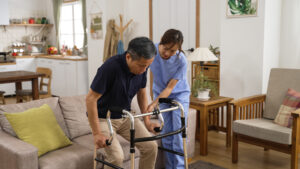
- Mobility support and fall prevention
- Light meal preparation
- Support with daily routines
- Monitoring overall well-being
Non-medical support complements medical care and helps seniors remain safe and comfortable at home.
Specialized Care: Dementia, Chronic Illness, Post-Surgery
Many seniors require care tailored to specific health conditions. Home health care services are designed to adapt to these needs.
Dementia & Cognitive Care
- Structured routines to reduce confusion
- Safety supervision
- Behavioral support
- Communication strategies for memory loss
Chronic Illness Management
- Monitoring symptoms of conditions such as diabetes, heart disease, or COPD
- Lifestyle and medication adherence support
- Early detection of complications
Post-Surgery Home Care
- Wound care and infection monitoring
- Pain management oversight
- Mobility assistance and rehabilitation support
- Close monitoring during critical recovery periods
Specialized care ensures seniors receive targeted, condition-specific support without repeated hospital visits.
How Care Plans Are Customized for Each Senior
No two seniors have the same needs. That’s why professional home health care services rely on personalized care plans.
A customized care plan typically considers:
- Medical history and current diagnoses
- Physician recommendations
- Daily living abilities
- Emotional and cognitive needs
- Family preferences and involvement
Care plans are regularly reviewed and adjusted to reflect changes in health or recovery progress, ensuring care remains appropriate and effective.
Home Health Care vs Home Care: Key Differences
Families often confuse these two services, but the distinction is important.
| Feature | Home Health Care | Home Care |
| Medical Services | ✔ Yes | ✖ No |
| Licensed Nurses | ✔ Included | ✖ Not included |
| Physician Oversight | ✔ Often required | ✖ Not required |
| Chronic Illness Care | ✔ Yes | ✖ Limited |
| Post-Surgery Care | ✔ Yes | ✖ No |
Home health care is best suited for seniors who need medical supervision, while home care focuses on basic daily assistance.
When Families Should Consider Professional Home Health Care
Professional home health care may be appropriate when seniors:
- Are recovering from surgery or hospitalization
- Have chronic medical conditions requiring monitoring
- Experience frequent falls or mobility issues
- Struggle with medication management
- Show signs of cognitive decline
- Require skilled nursing or therapy services
Early intervention through home health care can prevent emergencies, improve recovery outcomes, and enhance long-term independence.
Conclusion
Forward Home Health, Inc. is committed to delivering high-quality, compassionate home health care that helps patients recover, stay safe, and maintain their independence in the comfort of their own homes. With a full range of services – including Skilled Nursing, Physical Therapy, Occupational Therapy, Speech Therapy, Home Health Aides, and Medical Social Services – the agency provides comprehensive support tailored to each patient’s medical needs and personal goals.
Contact Forward Home Health, Inc.
If you or your loved one needs professional home health care services, our team is here to help.
Phone: 213-660-3078
Email: forwardhomehealth@gmail.com
Office: 16600 Woodruff Ave #201, Bellflower, CA 90706
Website: forwardhomehealth.com
Reach out today to schedule a consultation or request more information about our services.