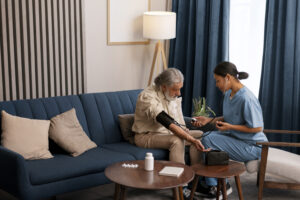

As seniors age, their health needs become more complex, unpredictable, and deeply personal. That is why many families turn to home health care services, in-home senior care, or elderly home care to support aging loved ones at home. However, not all care delivers the same level of safety, comfort, and long-term results.
One of the most critical factors that determines the success of home care for elderly individuals is whether services are guided by a personalized home health care plan. While standard care often follows fixed schedules and generalized task lists, seniors are not standard. Each person has a unique medical history, mobility level, cognitive condition, emotional needs, and family situation.
Without a customized care plan, even professional private home nursing services or 24/7 home care for seniors can fall short – or worse, place seniors at unnecessary risk.
This article explains what a personalized home health care plan is, why it matters more than standard senior care, and how families can ensure their loved ones receive safe, high-quality, individualized care at home.
What Is a Personalized Home Health Care Plan?
A personalized home health care plan is a customized roadmap that outlines how home health care services will be delivered to a senior in their own home. Unlike generic care packages, this plan is designed around the senior’s specific health conditions, daily routines, safety risks, and long-term goals.
A comprehensive plan typically includes:
- Medical needs and diagnoses
- Medication management and monitoring
- Skilled nursing and elderly care with medical assistance at home
- Physical, occupational, or speech therapy requirements
- Cognitive and memory support, including dementia care at home
- Mobility assistance and fall prevention strategies
- Nutrition and hydration guidance
- Emotional and social well-being considerations
- Clear communication protocols with family members
Most importantly, the plan is not static. It evolves as the senior’s condition changes, ensuring care remains appropriate, effective, and safe over time – especially for those needing home health care for seniors with chronic illness.
Why Standard Senior Care Often Falls Short
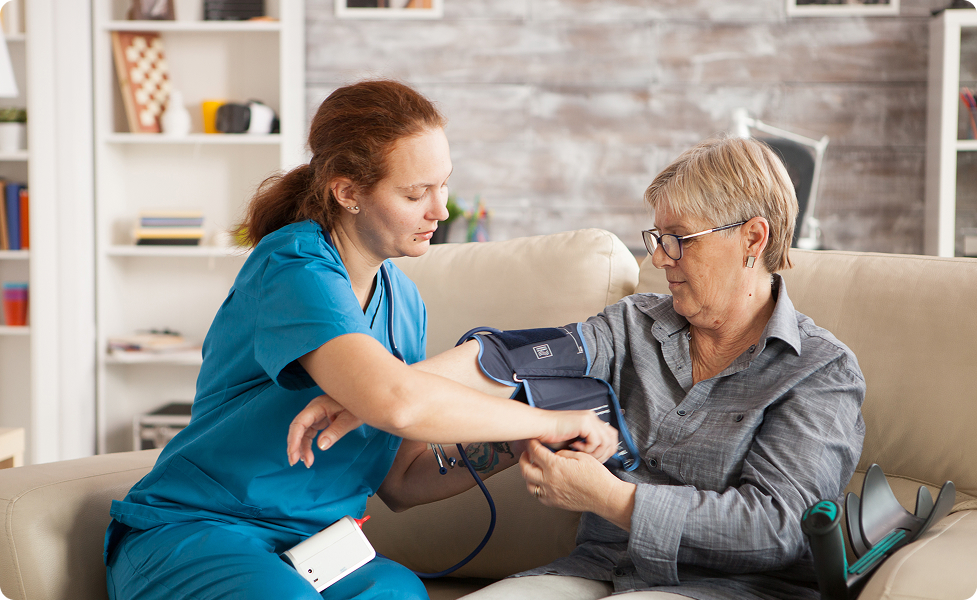
Many families assume that hiring a caregiver automatically guarantees quality care. In reality, standardized elderly home care models often fail to address the real challenges seniors face at home.
1. One-Size-Fits-All Services
Standard care packages may offer fixed hours and predefined tasks without accounting for changing health conditions. This approach often overlooks early warning signs, especially in seniors with chronic illness or cognitive decline.
2. Lack of Ongoing Assessment
Without regular reassessments, care does not adapt to:
- Worsening chronic conditions
- Cognitive decline requiring specialized in-home senior care
- Recovery challenges after hospitalization or surgery
- Medication changes
3. Fragmented Care Delivery
When caregivers, nurses, and therapists work without a unified plan, care becomes disjointed. This is a common issue when families do not work with a reliable senior care agency that coordinates all services.
4. Increased Safety Risks
Falls, medication errors, dehydration, and infections are far more likely when care lacks individualized oversight – particularly for seniors requiring post-surgery home care services or 24/7 home care for seniors.
Standard care may meet basic needs, but it rarely delivers optimal outcomes for seniors with complex or evolving health conditions.
Key Elements of an Effective Personalized Home Health Care Plan
Initial In-Home Health Assessment
Personalized care begins with a comprehensive in-home assessment conducted by skilled professionals. This evaluation reviews:
- Medical history
- Current diagnoses
- Mobility and balance
- Cognitive function
- Home environment safety risks
This assessment forms the foundation of all home health care services.
Medical & Chronic Condition Management
Personalized plans address conditions such as diabetes, heart disease, arthritis, stroke recovery, and respiratory illnesses. Care strategies are tailored to manage symptoms, prevent complications, and support independence – essential for home health care for seniors with chronic illness.
Medication Management
Medication errors are a major concern in home care for elderly individuals. A personalized plan includes:
- Medication reconciliation
- Accurate dosing schedules
- Side-effect monitoring
- Coordination with physicians and pharmacies
Skilled Nursing & Therapy Integration
Depending on the senior’s needs, plans may include:
- Skilled nursing services
- Physical therapy for strength and mobility
- Occupational therapy for daily activities
- Speech therapy for communication and swallowing support
This coordination is especially important for post-surgery home care services.
Mobility & Fall Prevention
Each senior’s mobility level is assessed to implement:
- Safe transfer techniques
- Assistive devices
- Home modifications
- Strength and balance exercises
Emotional & Cognitive Support
High-quality in-home senior care also addresses mental and emotional well-being through:
- Memory support strategies
- Routine consistency
- Social engagement
- Emotional reassurance

How Personalized Care Plans Adapt Over Time
Unlike standard elderly home care, personalized plans evolve as seniors’ needs change.
After Hospital Discharge
Care plans adjust to manage pain, wound care, reduced mobility, and infection risk.
Progression of Cognitive Conditions
As dementia or memory loss advances, dementia care at home strategies are updated to ensure safety, structure, and dignity.
Changes in Mobility
Declining strength or balance requires updated fall-prevention measures and therapy goals.
Medication Adjustments
When medications change, care plans are immediately updated to avoid adverse reactions.
Who Creates a Personalized Home Health Care Plan?
A truly effective plan is developed through collaboration:
- Skilled nurses assess medical needs and monitor health changes
- Therapists define rehabilitation goals
- Care coordinators ensure consistency and communication
- Family members provide insight into routines, preferences, and concerns
This interdisciplinary approach ensures care reflects both clinical expertise and the senior’s daily life.
Questions Families Should Ask Before Choosing Home Health Care Services
When searching for senior care near me, families should ask:
- How is the care plan created and reviewed?
- How often are reassessments conducted?
- Who updates the plan when conditions change?
- How are family members kept informed?
- Are nursing, therapy, and caregiving services coordinated?
- Is care adjusted after hospitalizations or emergencies?
Clear answers indicate trusted senior caregivers and a reliable senior care agency.
How Forward Home Health Delivers Personalized Home Health Care Plans
At Forward Home Health, personalized care is the foundation of every service. Each senior begins with a thorough in-home assessment conducted by experienced professionals. From there, a customized care plan is developed and continuously refined.
Key principles include:
- Individualized assessments tailored to each senior’s condition
- Flexible care plans that adapt to health changes
- Seamless coordination between nurses, therapists, and caregivers
- Transparent communication with families
- A strong focus on safety, comfort, and long-term well-being
This approach allows families to access affordable home care for seniors without compromising quality or safety.
When a Personalized Home Health Care Plan Becomes Essential
Personalized care planning is especially critical when:
- Seniors have multiple chronic conditions
- Memory or cognitive decline begins
- Seniors live alone
- Recovery after surgery or hospitalization is required
- Medication regimens are complex
In these situations, standard home care for elderly services are often insufficient.
Personalized Home Health Care Is Not a Luxury – It’s a Safety Requirement
Aging at home provides comfort, familiarity, and dignity. But without a personalized plan, seniors face unnecessary risks. Individualized home health care services focus on prevention, coordination, and long-term safety – not just completing tasks.
For families seeking dependable in-home senior care, personalized care is not an upgrade. It is the foundation of safe, effective, and compassionate senior care at home.
Conclusion
Forward Home Health, Inc. is committed to delivering high-quality, compassionate home health care that helps patients recover, stay safe, and maintain their independence in the comfort of their own homes. With a full range of services – including Skilled Nursing, Physical Therapy, Occupational Therapy, Speech Therapy, Home Health Aides, and Medical Social Services – the agency provides comprehensive support tailored to each patient’s medical needs and personal goals.
Contact Forward Home Health, Inc.
If you or your loved one needs professional home health care services, our team is here to help.
Phone: 213-660-3078
Email: forwardhomehealth@gmail.com
Office: 16600 Woodruff Ave #201, Bellflower, CA 90706
Website: forwardhomehealth.com
Reach out today to schedule a consultation or request more information about our services.