As seniors age, their health naturally changes in ways that can affect their independence, safety, and overall quality of life. While some changes are expected as part of aging, others may signal a need for additional support. That is why many families begin exploring home care services as a way to help aging loved ones remain safe, comfortable, and healthy in their own homes.
Understanding common age-related health changes allows families to recognize early warning signs and take action before minor issues become serious problems. With professional elderly care at home, seniors can receive the support they need while maintaining dignity, routine, and independence.
This article explores the most common physical, cognitive, and functional health changes seniors experience as they age and explains how personalized home health care services and trusted senior caregivers can support healthy aging at home, especially for seniors living with chronic conditions.
Introduction: Understanding Health Changes in Aging
Aging affects everyone differently. Two seniors of the same age may have vastly different health experiences depending on genetics, lifestyle, medical history, and support systems. While aging itself is not an illness, it often brings gradual changes that impact strength, memory, emotional well-being, and the ability to perform daily activities.
Families often struggle to determine which changes are normal and which require professional attention. This uncertainty can delay care, increasing the risk of falls, hospitalizations, or worsening chronic conditions. Early recognition and consistent monitoring – key components of home health care services – can make a significant difference in long-term outcomes.
Physical Health Changes in Seniors
One of the most noticeable aspects of aging is the gradual change in physical health. These changes can affect how seniors move, heal, and manage daily tasks.
Reduced Strength and Endurance
Muscle mass naturally decreases with age, leading to reduced strength and stamina. Seniors may tire more quickly, struggle with stairs, or find it difficult to carry groceries or household items.
Slower Healing and Recovery
As the body ages, it takes longer to recover from illness, injury, or surgery. Minor infections or falls that once healed quickly can now require extended recovery time, particularly for those needing home health care for seniors with chronic illness.
Increased Risk of Chronic Conditions
Many seniors live with chronic health issues such as diabetes, heart disease, arthritis, or respiratory conditions. Managing these conditions requires consistent monitoring, medication management, and lifestyle support – services commonly provided through elderly care at home.
Balance and Coordination Changes
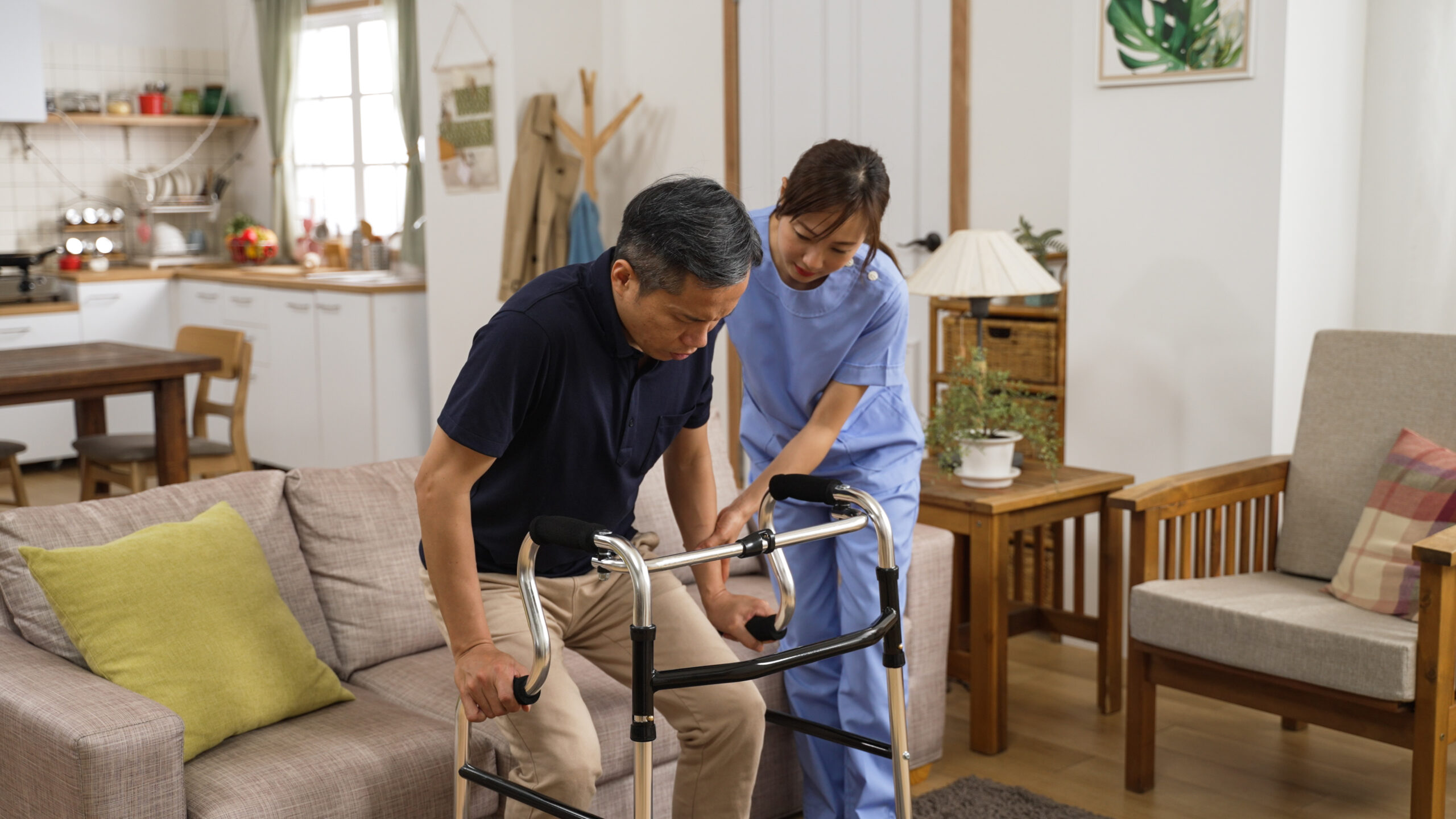
Changes in balance, vision, and coordination increase the risk of falls, one of the leading causes of injury among seniors. Without proper support, a single fall can significantly impact independence and confidence.
Professional home health care services help monitor physical health changes and provide early intervention to reduce risks and prevent complications.
Cognitive and Emotional Changes With Age
Cognitive and emotional health is just as important as physical health when it comes to aging safely at home.
Memory Changes
Occasional forgetfulness – such as misplacing keys or forgetting appointments – can be a normal part of aging. However, increasing confusion, difficulty following conversations, or repeating questions may indicate more serious concerns.
Slower Processing and Communication
Many seniors experience slower information processing or word-finding difficulties. These changes can affect communication and make social interactions more challenging.
Emotional Changes and Mental Health
Aging can bring emotional challenges, including anxiety, depression, or withdrawal. Factors such as reduced mobility, loss of independence, or social isolation often contribute to emotional decline.
Without proper support, cognitive and emotional changes can significantly affect daily life. Trusted senior caregiversplay a critical role in observing subtle changes, providing reassurance, and ensuring seniors remain mentally engaged and emotionally supported.
Decline in Daily Function and Independence
As physical and cognitive changes progress, seniors may find it increasingly difficult to perform everyday activities independently.
Challenges With Activities of Daily Living (ADLs)
Common difficulties include:
- Bathing and personal hygiene
- Dressing and grooming
- Preparing meals
- Managing medications
- Maintaining household cleanliness
Increased Safety Risks at Home
Declining function increases the risk of accidents, missed medications, and poor nutrition. Seniors living alone are particularly vulnerable if these changes go unnoticed.
Loss of Confidence
Struggling with daily tasks can lead to frustration, embarrassment, and a loss of confidence, causing some seniors to withdraw socially or avoid asking for help.
Through personalized elderly care at home, seniors receive the assistance they need while maintaining as much independence as possible.
How Home Care Supports Healthy Aging
Professional home health care services are designed to adapt to each senior’s unique needs, offering both medical and non-medical support in the comfort of home.
Regular Health Monitoring
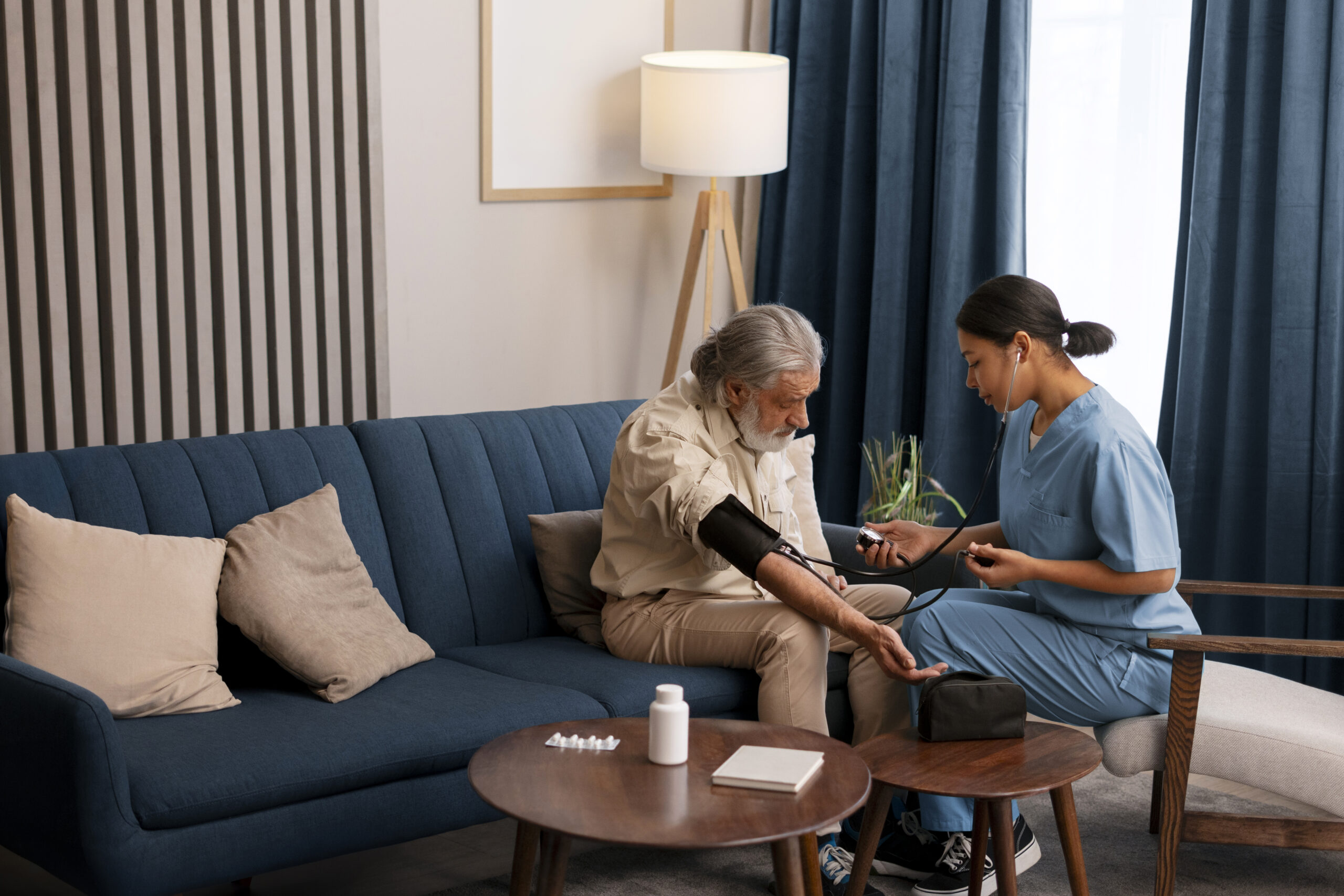
Consistent monitoring allows caregivers and healthcare professionals to identify changes early and respond proactively. This is especially important for seniors with chronic conditions requiring ongoing care.
Personalized Care Plans
Unlike one-size-fits-all approaches, home care services are tailored to each senior’s physical, cognitive, and emotional needs. Care plans evolve as health conditions change, ensuring continued safety and effectiveness.
Support From Trusted Senior Caregivers
Working with trusted senior caregivers ensures seniors receive compassionate, reliable care from trained professionals who understand the complexities of aging.
Reduced Hospitalizations
By managing health concerns early and consistently, home health care services help reduce emergency room visits and hospital readmissions.
Emotional and Social Support
In-home care provides companionship and emotional reassurance, helping seniors stay engaged, confident, and connected to their surroundings.
When to Consider Professional Home Care
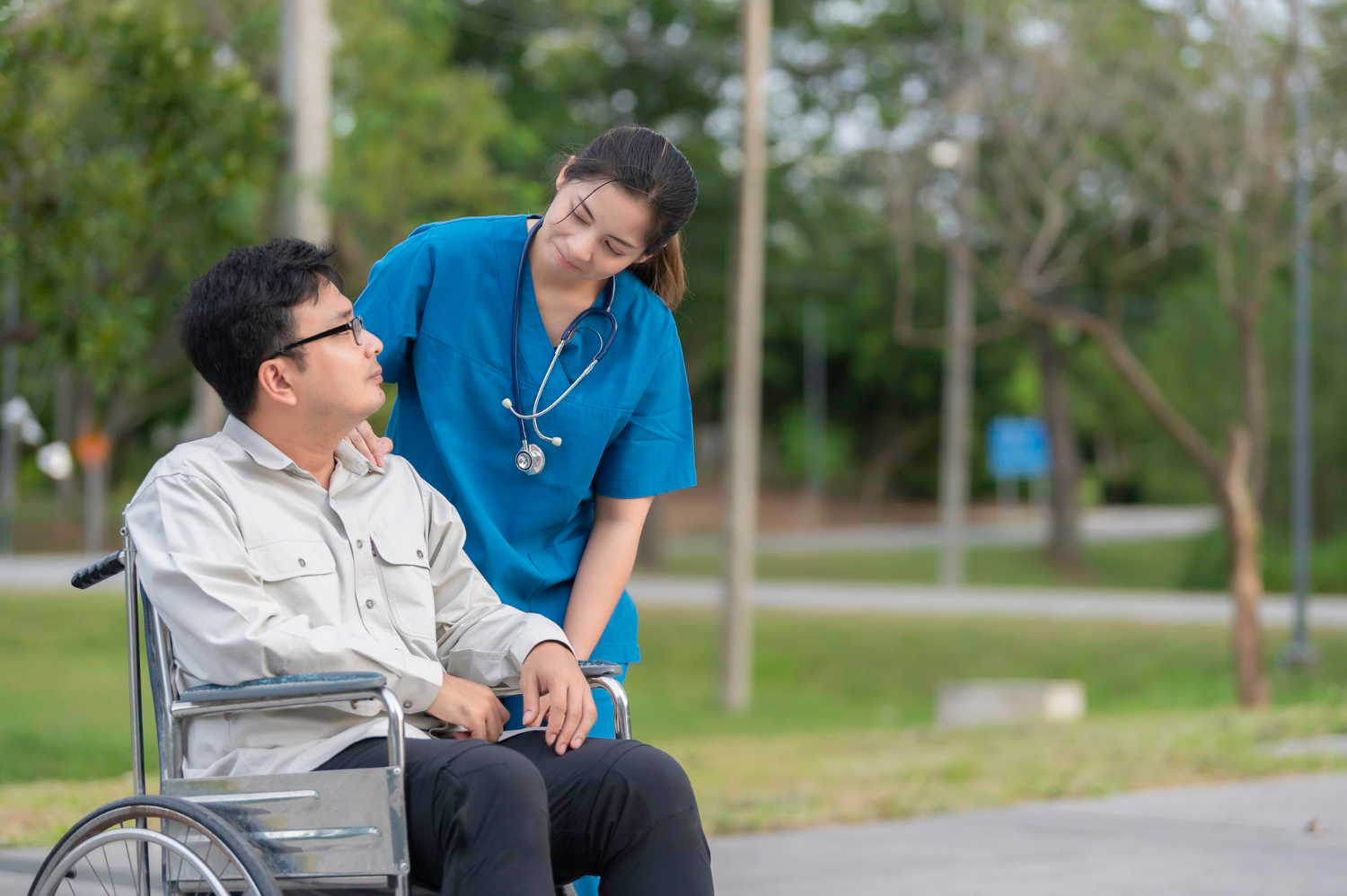
Families often wonder when it is time to seek professional help. While every situation is different, certain signs indicate that home health care services may be beneficial.
Warning Signs to Watch For
- Frequent falls or near-falls
- Missed medications or confusion about dosing
- Noticeable weight loss or poor nutrition
- Increasing forgetfulness or confusion
- Difficulty managing chronic conditions
- Withdrawal from social activities
The Importance of Early Intervention
Waiting too long to seek help can lead to preventable health crises. Early support through elderly care at home allows seniors to age safely while preserving independence and quality of life.
Conclusion
Forward Home Health, Inc. is committed to delivering high-quality, compassionate home health care that helps patients recover, stay safe, and maintain their independence in the comfort of their own homes. With a full range of services – including Skilled Nursing, Physical Therapy, Occupational Therapy, Speech Therapy, Home Health Aides, and Medical Social Services – the agency provides comprehensive support tailored to each patient’s medical needs and personal goals.
Contact Forward Home Health, Inc.
If you or your loved one needs professional home health care services, our team is here to help.
Phone: 213-660-3078
Email: forwardhomehealth@gmail.com
Office: 16600 Woodruff Ave #201, Bellflower, CA 90706
Website: forwardhomehealth.com
Reach out today to schedule a consultation or request more information about our services.