
Post-Surgery Home Care Services: Ensuring a Smooth Recovery at Home
Recovering from surgery, especially for older adults, requires more than just time; it demands careful attention and specialized care. This is where post-surgery home care services become essential. With proper monitoring, pain management, and mobility assistance, seniors can recover more comfortably and safely in the familiarity of their own homes. From tracking vital signs like temperature and blood pressure to providing personalized medication management, skilled professionals are crucial in minimizing the risk of complications. Whether it’s wound care, fall prevention, or ensuring the right nutrition, professional care at home helps avoid common pitfalls and promotes a faster, more effective recovery. Let’s dive into the importance of post-surgery home care and how it can make a significant difference in your loved one’s healing process.
• Monitoring Vital Signs
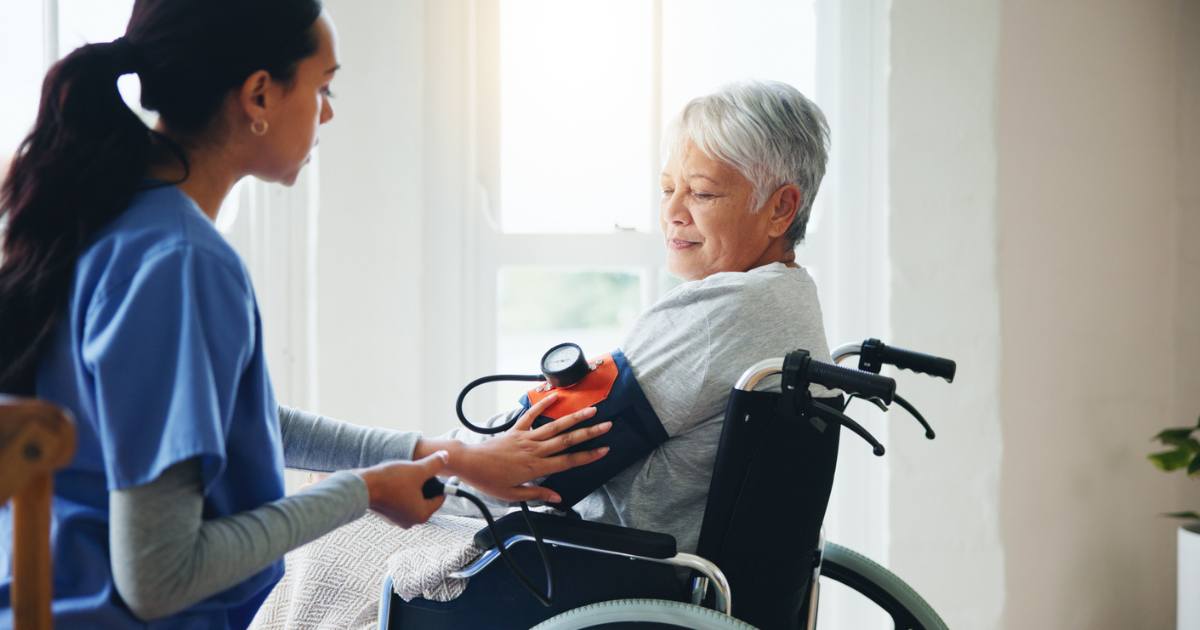
Post-operative patients must be checked regularly for:
- Temperature changes
- Blood pressure fluctuations
- Irregular heart rate
- Oxygen level variations
Any abnormal change may signal infection, dehydration, internal bleeding, or other complications.
• Managing Pain and Medication
Pain tends to peak within 24-48 hours after surgery. Seniors often take multiple medications, making it easy to miss a dose or accidentally take more than prescribed.
A skilled nurse ensures:
- Correct dosage
- Timely administration
- Safe combination with existing medications
- Side-effect prevention
• Mobility Assistance
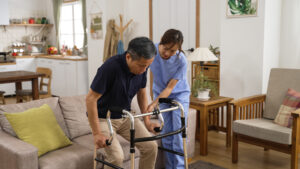
Patients may feel dizzy, weak, or disoriented. Standing up without help increases fall risk-one of the most dangerous complications for older adults.
• Wound Care and Hygiene
Proper care prevents infection and promotes healing. This includes dressing changes, incision checks, and monitoring for redness, swelling, or discharge.
Because of these factors, professional post-surgery home care services play a crucial role in ensuring seniors remain stable and safe.
2. Common Risks Seniors Face After Surgery
Seniors face unique challenges that younger patients typically don’t. As the body ages, its ability to repair tissues, regulate medications, and process anesthesia becomes less efficient.
These are the most common risks:
• Infection
Surgical site infections can develop quickly without proper cleaning and daily monitoring.
• Dehydration
Many seniors struggle to drink enough water post-surgery, especially if experiencing nausea or fatigue.
• Medication Mismanagement
Polypharmacy-taking multiple medications is extremely common among seniors. After surgery, new prescriptions increase the complexity.
• Falls and Injuries
Weakness, dizziness, limited mobility, and pain create the perfect conditions for dangerous falls.
• Blood Clots
Reduced movement increases the risk of deep vein thrombosis (DVT), a potentially life-threatening condition.
• Breathing Difficulties
Some seniors struggle with shallow breathing after anesthesia, raising concerns about pneumonia.
• Complications from Chronic Illness
Patients with diabetes, hypertension, COPD, arthritis, or heart disease need extra monitoring.
This is where home health care for seniors with chronic illness becomes essential.
Professional caregivers understand how surgery interacts with chronic health conditions and how to manage symptoms before they escalate.
3. Pain Management & Medication Monitoring at Home
Effective pain management is one of the most important aspects of post-surgery care. Seniors who struggle with pain often move less, eat less, sleep poorly, and become more vulnerable to complications.
A skilled nurse helps by:
- Tracking pain levels throughout the day
- Ensuring medications are taken exactly as prescribed
- Watching for allergic reactions or side effects
- Adjusting non-medication techniques (heat therapy, positioning, breathing exercises)
Common pain-related challenges in seniors include:
- Opioid sensitivity
- Interactions with chronic illness medications
- Increased risk of constipation or dehydration
- Difficulty communicating pain clearly, especially in dementia patients
Having a professional at home ensures caregivers catch early signs of complications before they become emergencies.
4. The Role of Skilled Nurses in Post-Surgery Care
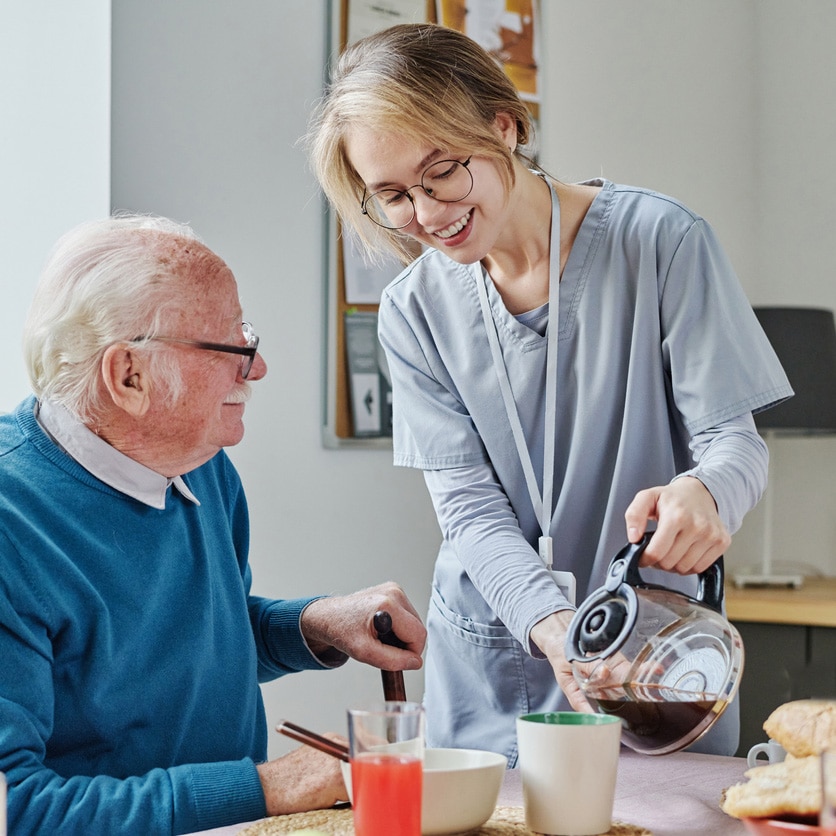
Elderly care with medical assistance at home goes beyond basic support. Skilled nurses provide clinical care that would otherwise require a hospital visit.
Nurses deliver essential medical services such as:
- Wound dressing and infection prevention
- Monitoring vital signs
- Post-operative assessments
- Mobility and rehabilitation support
- Catheter, IV, or drain management
- Medication review and adjustments
- Managing chronic illness symptoms
- Coordinating with physicians
Families often feel relieved knowing a medical professional is overseeing recovery, not just a caregiver.
5. Mobility Support & Fall Prevention Techniques
Falls are the #1 cause of post-surgery complications in seniors. Even a minor fall can lead to re-hospitalization, delayed healing, fractures, or long-term disability.
Professional caregivers help with:
- Safe transfers (bed → chair → bathroom)
- Using walkers, canes, or mobility devices properly
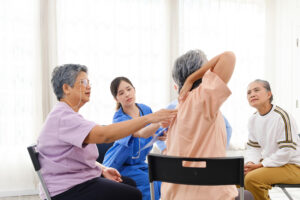
- Daily exercises to improve circulation
- Escorting the patient when walking
- Adjusting the home environment to remove hazards
Fall Prevention Techniques Include:
- Removing rugs and clutter
- Ensuring proper lighting
- Installing grab bars in bathrooms
- Encouraging slow and steady movements
- Keeping essentials within reach
Skilled mobility support minimizes risk and speeds up recovery.
6. Nutrition & Hydration Guidelines for Post-Op Patients
Proper nutrition is vital for healing. The body needs extra protein, fluids, vitamins, and calories to repair tissues and prevent infection.
Common post-surgery nutrition challenges in seniors include:
- Loss of appetite
- Nausea
- Difficulty swallowing
- Medication-related digestive issues
- Fatigue that prevents meal preparation
Caregivers can prepare meals aligned with medical recommendations and ensure adequate hydration throughout the day.
Hydration also helps prevent:
- Dizziness
- Low blood pressure
- Kidney complications
- Constipation
- Confusion or delirium
Seniors with chronic conditions require even more careful monitoring, making home health care for seniors with chronic illness essential.
7. Warning Signs That Require Immediate Medical Attention
Even with excellent post-surgery home care services, complications may arise. Recognizing warning signs early saves lives.
Red flags include:
- Fever or chills
- Excessive swelling, redness, or heat around incision
- Persistent vomiting or inability to keep food down
- Unusual bleeding
- Sudden shortness of breath
- Sharp chest pain
- Confusion or sudden behavioral changes
- Drainage with foul odor
- Calf pain or swelling (possible blood clot)
A skilled nurse can quickly assess the situation and contact the medical team.
8. How Forward Home Health Delivers Safe Post-Surgery Home Care Services
Forward Home Health provides comprehensive post-surgery home care services tailored specifically for seniors. Our highly trained nurses and caregivers bring medical expertise, compassion, and professionalism into your home-making recovery smoother and safer.
Conclusion
Forward Home Health, Inc. is committed to delivering high-quality, compassionate home health care that helps patients recover, stay safe, and maintain their independence in the comfort of their own homes. With a full range of services – including Skilled Nursing, Physical Therapy, Occupational Therapy, Speech Therapy, Home Health Aides, and Medical Social Services – the agency provides comprehensive support tailored to each patient’s medical needs and personal goals.
Contact Forward Home Health, Inc.
If you or your loved one needs professional home health care services, our team is here to help.
Phone: 213-660-3078
Email: forwardhomehealth@gmail.com
Office: 16600 Woodruff Ave #201, Bellflower, CA 90706
Website: forwardhomehealth.com
Reach out today to schedule a consultation or request more information about our services.